推荐阅读More+
勾引姐夫(高H)
г.()无三观(别带三观看)姐夫身体出轨,精神层面爱姐姐妹妹每天变着法的勾引姐夫,为了把姐夫得到手,设计姐姐出轨姐夫花样百出,肏到小姨子淫水乱飞姐姐在床上睡觉,姐夫在床边压肏妹妹骚逼。姐姐在整理屋子,姐夫抱着妹妹翘臀在楼梯扶手猛肏
精品
连载
12万字

守寡三年,三个崽的将军爹回来了
番茄2022-05-01完结文案:夏甜甜发现自己穿书啦!竟然还穿成了一个生了三个娃娃的寡妇?看着眼前三个将来权倾天下,臭名远扬的反派小崽崽。夏甜甜忍不住大喊一声:“这也太萌了吧!”从此温柔贤惠老母亲上线。带着自己的反派崽崽们,斗恶汉,抓小鬼,看美男,开
精品
连载
124万字

勾引前夫他叔(1v1h)
yαsん.c()联姻三个月后,许烟撞见她老公跟他妹在客厅里乱搞,果断提出离婚。没想到,渣男为了维护自己亲妹妹,竟然不同意!还拿他大佬小叔威胁断了她家合作!有靠山了不起?家庭聚餐那天,许烟赤裸着身子惊慌失措的背过身喊了一声:“小叔。”然后在老公跟妹妹进来胡搞的时候,果断把他拉入了衣柜。呼吸交错,身体凹凸嵌合。许烟红着脸娇吟着含住了小叔的手指,眼波如丝。英俊禁欲的男人蹙了眉:“侄媳,不要胡闹。”后来,
耽美
连载
13万字
森淫乐園
Θ壹ν.().图片来源皆出自网路上森淫乐园简体版之前在鲜网过...一样是文本来没打算放上来更新的,就算要放上来也不是现在,但是无意中输入了这本书名,意外看到曾被推荐过这个,瞬间燃起了对这篇的热爱,果然读者们的评论才是写作的动力啊~无论好坏,猫都可以虚心接受的~有些话,想跟大家说~请到《给读者的话~》此文分为叁部曲:到时可以独立观看,因为原本的设定就是可以独立观看的,只有女主角一样,每部曲里面出现的
耽美
连载
31万字
缚尘(仙侠NP 高H)全处全洁
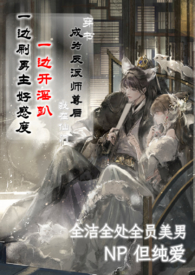
但纯爱又名:穿书成为反派师尊后我在仙门一边刷男主好感度一边开淫趴每50珠加更1章请小宝阅读完后顺手点我要评分投送免费珍珠支持作者白栀穿书成了反派师尊,不久就会惨死在男主谢辞尘手里。她看着身下一丝..
精品
连载
25万字
那村那人那痞子(H)
.()已完结可宰:《甜文结局之后》《嫡兄》肖缘喜欢何进,每天他坐在山坡上看书的时候,她就躲在树后看他,永远都看不腻。这是她一个人的小秘密,从来没人知道。-作为有名的纨绔子弟、二流子,何兆是个天不怕地不怕的混账。他干过最混账的事,就是冒充双胞胎
精品
完结
29万字






最新入库
More+
- [精品] 七瓣[GB 四爱]
- [精品] 老师,这是个误会(gl,纯百)
- [百合] 冲喜冲来个鬼老公【1v1 偷情 强制】
- [精品] 可以讀檔的我邪惡的可怕
- [精品] 刺客[NP]
- [精品] 傀儡女帝的修罗场(古言NPH)
- [精品] 怪神(nph)
- [精品] 剑气逼人
- [精品] 阴阳悬壶录(古言1v1H)
- [精品] 锁灵(女鬼)
最近更新
More+
- [精品] 那年雪後,枯木迎暖春 第三十四章被裸身擦拭身體濕了穴 50分钟前
- [都市] 别跟我抢老婆了!(女出轨,nph) 第三十四章你在她身上勾出来的欲火她最终 50分钟前
- [精品] 【西幻】无信仰修女的色孽(nph) 火车4(女微sh) 50分钟前
- [玄幻] 寄生 第一百五十二章荡妇 51分钟前
- [精品] 春水误(姐弟骨科) 错认 51分钟前
- [穿越] 昏帝(古言 群像 NP) 蘇怡貴撚金線郭婷入赤兔美人窟 51分钟前
- [精品] 腐古烂木【变态短文合集】 追爱之旅 51分钟前
- [都市] 哒哒(纯百) 世界正中(一点点点h) 51分钟前
- [精品] 七瓣[GB 四爱] 第18章靠近 51分钟前
- [玄幻] 我的第一篇茂灵:師父養成 靈幻的秘密情人(溫泉play)par2 51分钟前
- [精品] 情色碰撞(1v1 高H)一不小心被爆操 学妹漫展骚浪挤乳沟诱惑学长地铁春梦被操 51分钟前
- [精品] 老师,这是个误会(gl,纯百) 青城山下(大量黄色) 51分钟前
- [穿越] 深陷于扶她美少女的辱骂疼爱之中(NP 高H) 47.校花酱将以教师形态堂堂出击!色色学习氛 51分钟前
- [精品] 歡迎來到天堂島 這個驚喜...太犯規了...(口交) 51分钟前
- [精品] 【NPH】绑定色情系统?我吗? 坐脸漂亮男同学 51分钟前
- [精品] 可以讀檔的我邪惡的可怕 作者雜談讀者留言回饋 51分钟前
- [精品] 忠诚 BDSM 五十五玛丽莲的故事 52分钟前
- [精品] 临时起意(校园) 昏头昏脑(h) 52分钟前
- [精品] 清越(年下np) 逃跑 52分钟前
- [都市] 萧墙记(纯百 高干 剧情) 间曲三十七对等律法(下)(纠正错误 52分钟前
- [百合] 冲喜冲来个鬼老公【1v1 偷情 强制】 第三十章打扮成狐媚子来勾引 52分钟前
- [耽美] 帝高beta特招生(abo nph) 34.彻底疯狂 52分钟前
- [精品] 秘密(np) (二十三) 52分钟前
- [精品] 天龙女霸凌白莲男之后 别有用心 52分钟前
- [精品] 偏离航道(1v1h兄妹骨科bg) 246买翡翠 52分钟前
- [精品] 水星坠落时 第九章()会议里的无题电邮() 52分钟前
- [精品] 阴阳悬壶录(古言1v1H) 鬼妓院的传闻 52分钟前
- [精品] 臣服深渊(1v1) 第十七章被迫退亲镜前做爱(下) 52分钟前
- [精品] 清棠 粉色头盔。(二更) 52分钟前
- [精品] 怪神(nph) 听师兄的(道具自慰h) 52分钟前
